A land for
the unwanted
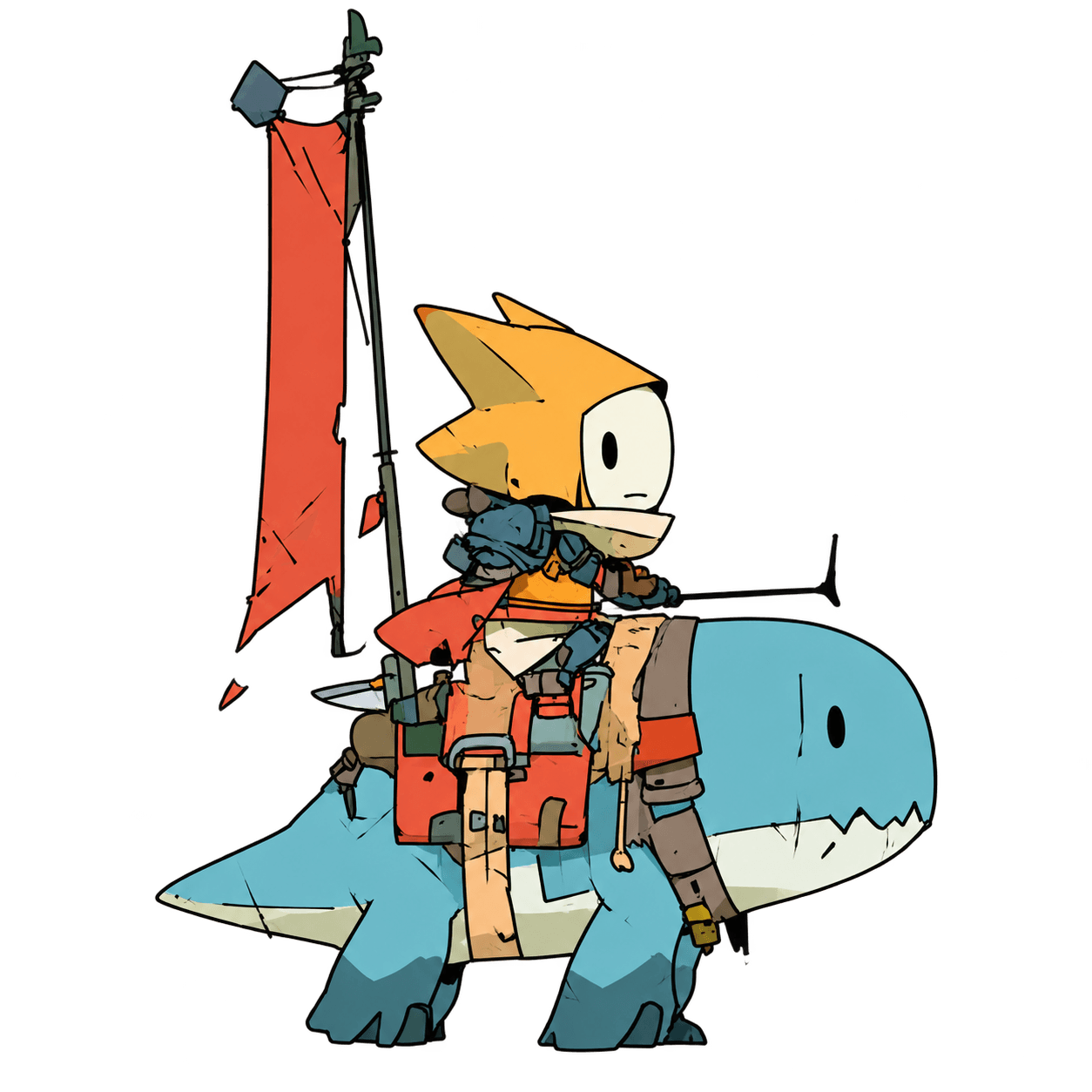
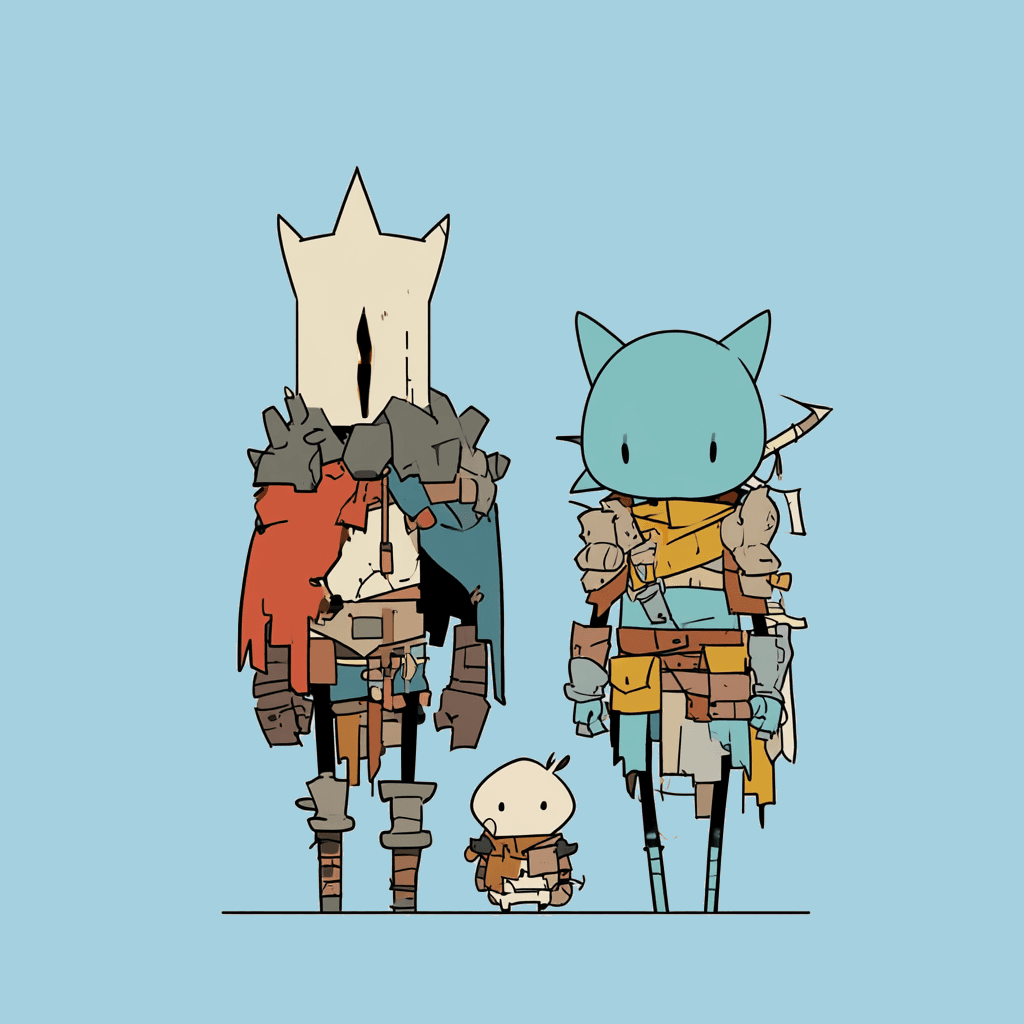
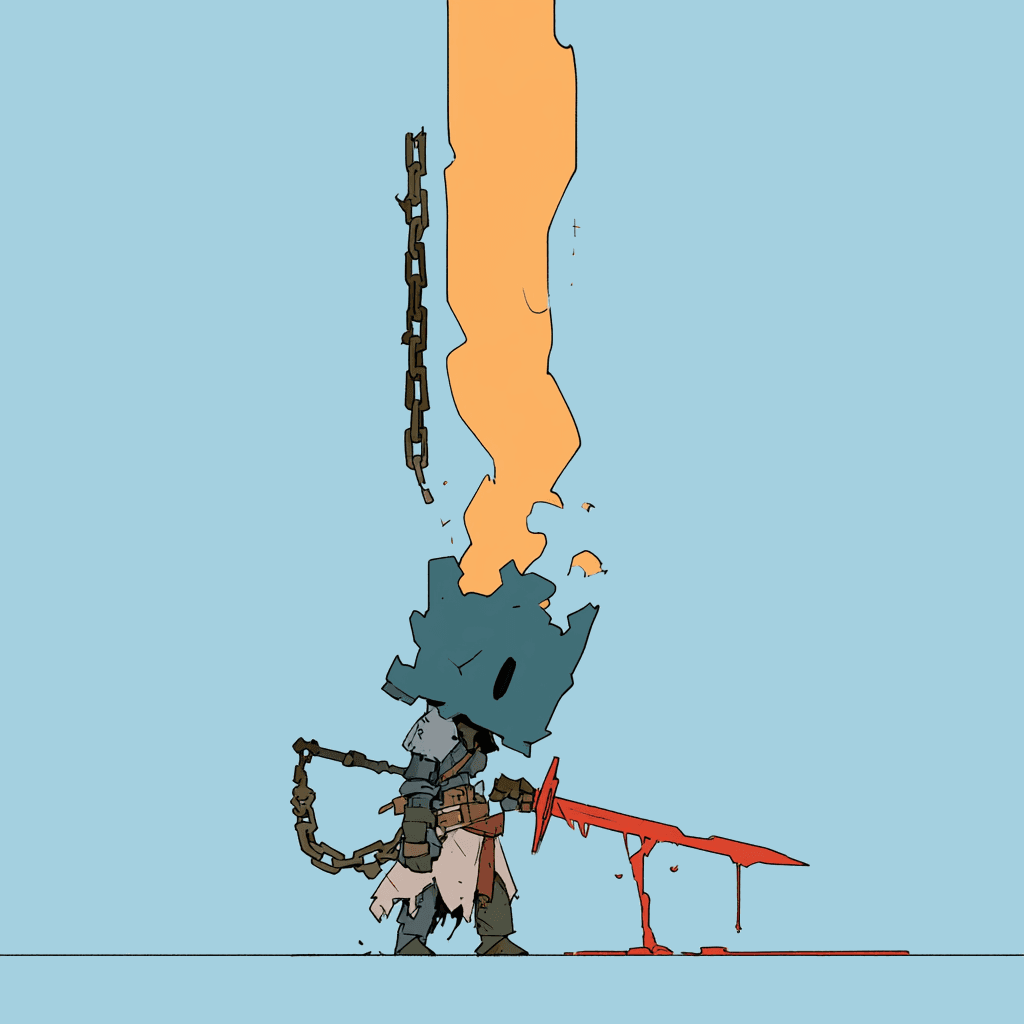
Wasteland is a fantasy world of rejected monsters—those who don't quite fit in anywhere else.
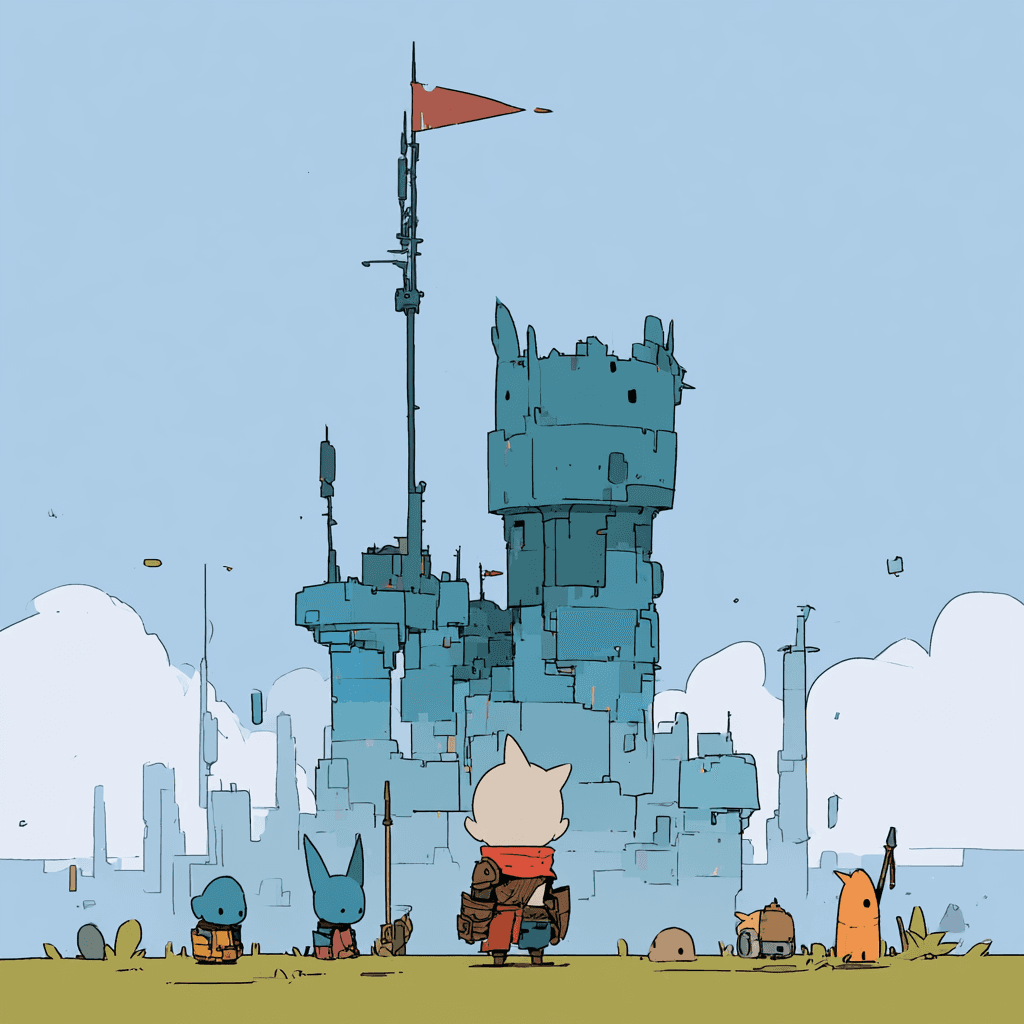
Together, they build, they wander, and they dream of a place where being different is magic.
Wasteland isn't just a place—it's a feeling. A reminder that the strange, the broken, and the forgotten can create something extraordinary.
This is their world.
This is Wasteland.
The Mint
3,333
Total inhabitants
333
Reserved for the treasury
Per wallet
Per wallet
Frequentlyasked
What we can answer so far about Wasteland and the mint. $WASTE and the Forge have sections of their own below.
The World
What is Wasteland?
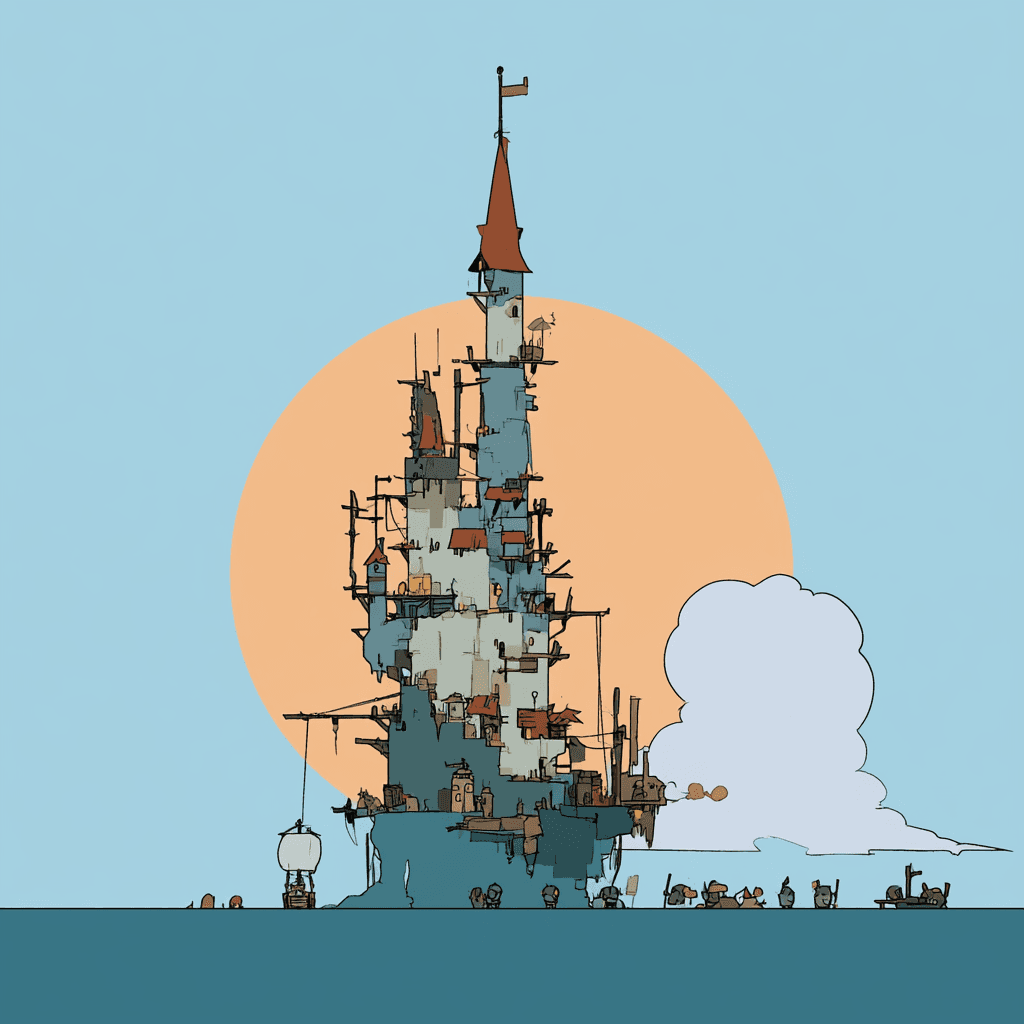
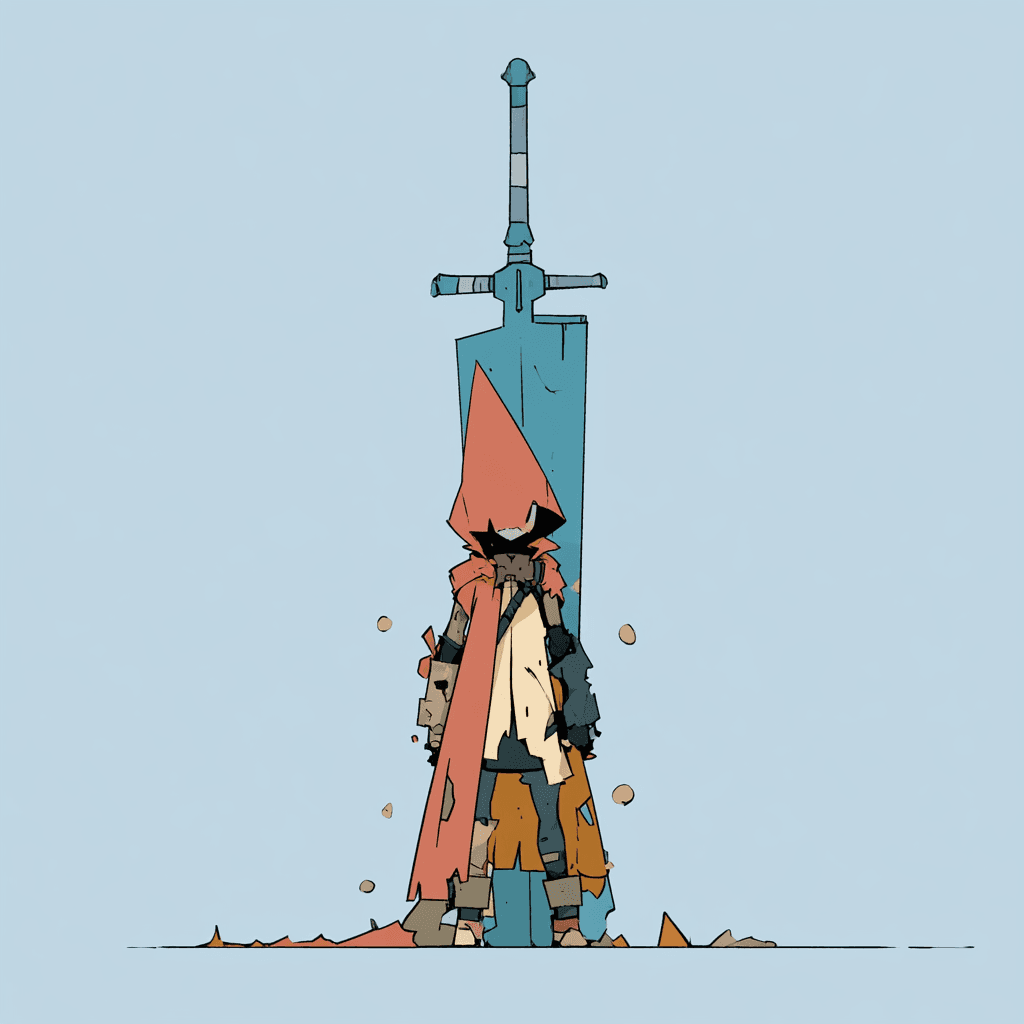
Wasteland is an art-driven NFT collection set in a fantasy world of rejects, forgotten creatures, discarded objects, and things that somehow ended up in the wrong place.
Each NFT is an inhabitant of that world, designed to stand on its own as a collectible. Everything else we're building — $WASTE, the Forge, Relics, the Leaderboard — expands the collecting experience without defining it.
How is the artwork created?
The artwork is AI-generated and developed specifically for Wasteland. The direction behind it — characters, concepts, visual language, traits, world-building, selection, and refinement — is built around the Wasteland universe.
We're open about the use of AI because it's part of how Wasteland is made. Every finished piece is an original Wasteland creation, made for this project rather than sourced from an existing collection or body of artwork.
Is Wasteland a game, and do I have to play?
Not a game in the traditional sense. We're borrowing systems we like from games — inventories, recipes, ingredients, crafting, rarity, probability, and leaderboards — and applying them to collecting.
There's no Play-to-Earn loop and nothing to grind. Every system below is optional: if you're here because you like the art and want to collect the characters, that's enough.
The Mint
What chain is it on, and what's the supply?
Robinhood Chain.
3,333 Wastelands, of which 333 are allocated to the team treasury — leaving 3,000 outside that allocation.
How does the mint work?
There are two phases:
- 01 — Wastelist (GTD)
- Wastelist wallets can mint up to 3 Wastelands during the GTD window.
- 02 — Public
- Open to everyone, with up to 6 additional mints per wallet, subject to remaining supply.
Wastelist wallets can participate in both, for up to 3 GTD + 6 Public.
When is the mint, and what does it cost?
Both TBA.
Final timing, price, and mint links will be shared through official Wasteland channels.
What am I minting?
A Wasteland NFT from the main art collection — an inhabitant of the Wasteland world, not $WASTE, a Material, or a Relic.
The main collection is the foundation. Everything else we're building expands the world around it.
What do I need, and where do I mint?
An EVM-compatible wallet that supports Robinhood Chain. We'll provide setup details before mint.
The official mint link will only be shared through official Wasteland channels. Always verify the link and contract before connecting your wallet.
We will never DM you asking you to mint.
Nothing iswasted
The ecosystem token, and the Burn that produces it. Both are entirely optional — the collection stands on its own.
Burn → Get $WASTE → Forge
What is $WASTE?
$WASTE is the ecosystem token used within Wasteland. Its purpose is to be spent here, primarily at the Forge.
For now it is designed purely as an in-ecosystem resource, and does not represent or promise any monetary value.
What can I burn, and how much do I get?
Selected NFTs and tokens will be eligible to burn in exchange for $WASTE, including assets from outside Wasteland. Not everything will qualify, and supported assets will be announced separately.
Burn values differ depending on the collection, token, rarity, traits, or other criteria. You'll see exactly what you're burning and how much $WASTE you'll receive before confirming.
Part of the idea behind $WASTE is giving unwanted assets somewhere else to go rather than leaving them forgotten in a wallet.
Is burning permanent?
Yes. Once something is burned, it's gone.
The Burn interface will show the asset and the amount of $WASTE you'll receive before you confirm the transaction.
What do I spend it on?
$WASTE is meant to be used, not simply accumulated. You'll spend it alongside specific ingredients when attempting to Forge Materials, which feed increasingly difficult recipes leading toward Relics.
As the ecosystem develops, $WASTE may find additional uses within Wasteland, but its current role is centered around the Forge.
None of it is required. Burning and Forging are both completely optional.
Some thingstake time
How Materials are forged, how Relics are discovered, and why the Wasteland you've held longest is the one that matters.
$WASTE + Ingredients → Forge → Materials → Relics
What are Materials and Relics?
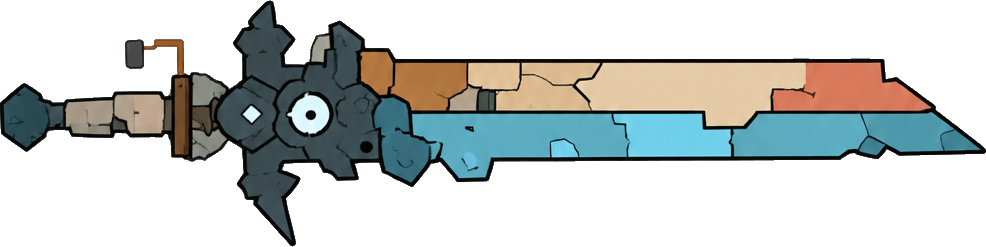
Materials are resources created and used within the Wasteland Forge. Relics are the collectible artifacts at the end of the crafting tree, discovered by combining $WASTE with forged Materials.
There will be different Material types and rarities, each with their own recipes and requirements, and rarer Relics will call for more difficult ingredients and forging paths.
We'll break down Materials, recipes, rarity, success rates, and the full forging system in a separate post. For now, just know this: if you want to discover the rarest Relics, you'll need to spend some time at the Forge.
How does Forging work?
The Forge combines $WASTE and specific ingredients to attempt to create a new Material. Every Material has its own recipe, and the rarer the Material, the harder the Forge.
Each attempt needs:
- $WASTE
- The ecosystem token used to attempt the Forge.
- Ingredients
- The specific ingredients required by that recipe.
- A Wasteland NFT
- Your Wasteland interacts with the Forge, and its eligible unlisted holding time can improve your chances.
Is every Forge successful?
No. Forging is probability-based, with a base success chance determined by the Material's rarity. Generally:
- Common
- Higher chance
- Uncommon
- Moderately high chance
- Rare
- Moderate chance
- Epic
- Low chance
- Legendary
- Very low chance
The actual percentage will be shown before you Forge.
Does holding my Wasteland matter?
Yes. How long you've continuously held your Wasteland unlisted can improve your Forge chances, and you'll see your final chance before confirming the attempt.
Base chance + unlisted holding time = final Forge chance
$WASTE can be acquired. Ingredients can be collected. Relics can be traded. Time has to be earned — which is why the Forge recognizes collectors who have actually held onto their Wastelands.
It improves your odds without removing the risk: a difficult recipe is still a difficult recipe. Listing, selling, or transferring can affect the holding period the Forge recognizes, and the exact reset rules will be published before the Forge goes live.
Are Relics a separate collection?
Yes. Relics will exist as their own NFT collection, separate from the original Wasteland collection.
Successfully discovering a Relic through the Forge creates the corresponding Relic NFT. Your Wasteland and your Relics remain separate assets.
Can Relics be traded?
Yes. Once discovered, Relics can be held, transferred, or traded separately from your Wasteland NFT, which means there are two ways to build a Relic collection:
- Forge them
- Collect them from someone else
You don't necessarily have to discover every Relic yourself. Some Relics will be relatively obtainable, others extremely difficult to create, and collectors can hunt specific ones, complete sets, or simply build the rarest collection they can.
What is the Leaderboard?
The Leaderboard tracks collection progress across Wasteland. It's not about who holds the most $WASTE — it's about what you've managed to collect and discover.
Trading Relics is one path up it. Forging is another, and Forgers need $WASTE, the right ingredients, successful attempts, and can benefit from the holding history of their Wasteland. Some collectors will Forge, some will trade, most will probably do a bit of both.
Full scoring details will be released before the Leaderboard goes live.
What else is coming?
Two things we're exploring:
- Relic royalties
- Certain discovered Relics may receive a portion of the royalties generated within the Wasteland ecosystem. Some Relics may be worth hunting a little harder than others.
- Seasonal Relics
- Limited artifacts created together with other collections and communities, entering Wasteland for a season. Some might never return.
Over time, the Relic collection could become a record of the different communities that have passed through Wasteland.
What's the Wasteland loop?
It starts with the collection.
- Collect a Wasteland
- Hold it unlisted
- Build your Forge advantage over time.
- Burn unwanted assets
- Receive $WASTE.
- Forge
- Combine $WASTE and ingredients to create Materials.
- Discover Relics
- Work your way toward rarer recipes and Relics.
- Collect / trade
- Climb the Leaderboard
That's the Wasteland loop. How far you take it is up to you.
✦ WASTELAND ✦
A fantasy world of rejected monsters